
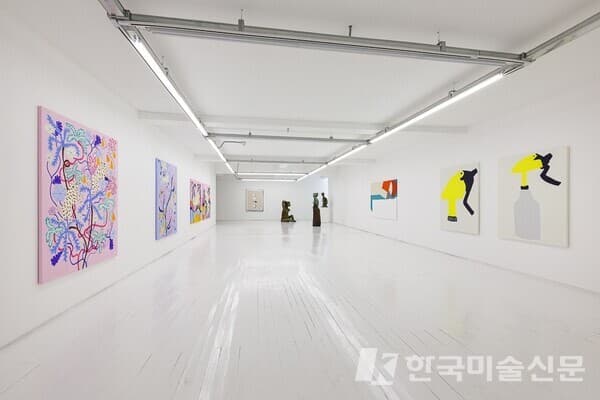
To mark the 20th anniversary of the CIAN Museum of Art in South Korea, it will be showing the group exhibition "Taste of art: Enjoy your art", curated by Jeong Yeon-jin, in which a discourse between local and international contemporary artists will be shown. The exhibition places a special focus on the diversity and uniqueness of those artistic positions that consider art in our current time and the extent to which they are guided and inspired by art history. Not only is it shown what different forms art can now embody, but the expanded use of new artistic media is also presented. In particular, the interplay of art from different cultural backgrounds shows both the differences and the connections between them. The exhibition is intended to offer visitors an open and accessible path to contemporary art.
한국의 CIAN 미술관이 20주년을 맞이하여, 정연진이 기획한 그룹 전시 "미술의 맛: 당신의 예술을 즐기다"를 개최할 예정이다. 전시에서는 국내외 현대 예술가들 사이의 대화가 선보일 것이다. 전시는 현재 시대의 예술과 예술사에서 어떻게 영감을 받고 이끌어가는지를 고려하는 독특하고 다양한 예술적 위치에 특별한 초점을 두고 있다. 예술이 이제 어떤 다양한 형태를 취할 수 있는지만 보여주는 것이 아니라, 새로운 예술 매체의 확장된 사용도 함께 선보인다. 특히, 다양한 문화적 배경에서 온 예술의 상호작용은 그들 사이의 차이와 연결을 모두 보여준다. 이 전시는 관람객들에게 현대 예술에 대한 개방적이고 접근 가능한 길을 제공하고자 한다.
The German sculptor Dietrich Klinge and the southern French painter Alain Clément will be presented from the Bode Galerie's program. Other artists in the exhibition are: Yoyo Nasty (Sweden), Shin Sangwook (Korea), Won Sungeum (Korea) and Jeong Jingyeong (Korea).
독일 조각가 디트리히 클링과 남부 프랑스 화가 알랭 클레망은 보데 갤러리의 프로그램에서 소개될 예정이다. 전시에 참여하는 다른 예술가들로는 요요 나스티(스웨덴), 신상욱(한국), 원순금(한국), 정진경(한국)이 있습니다.
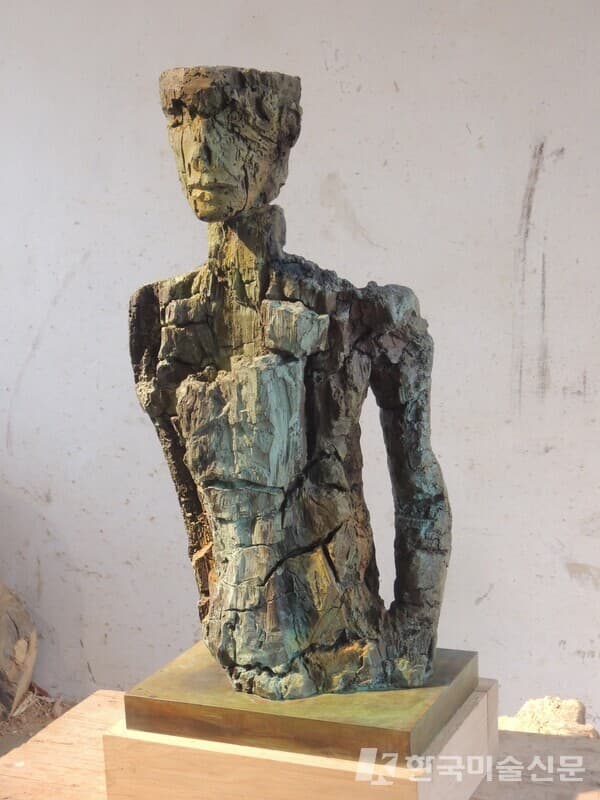
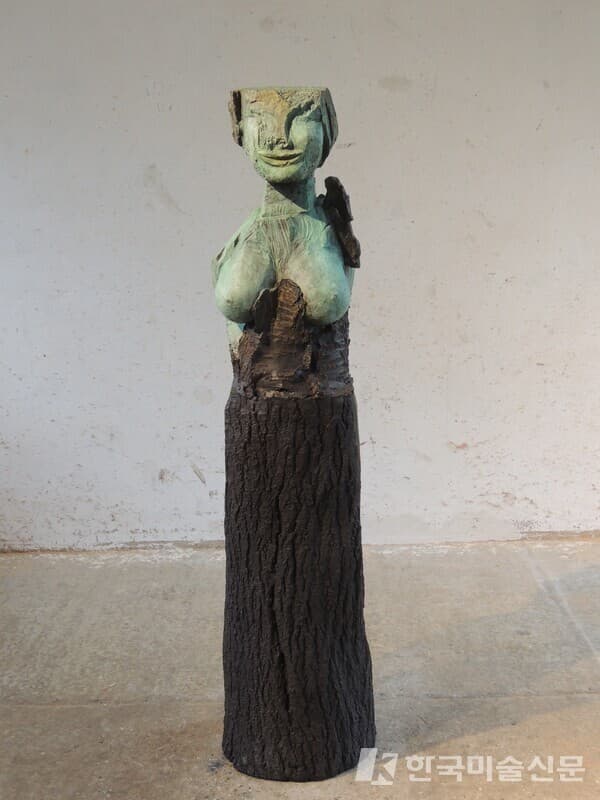
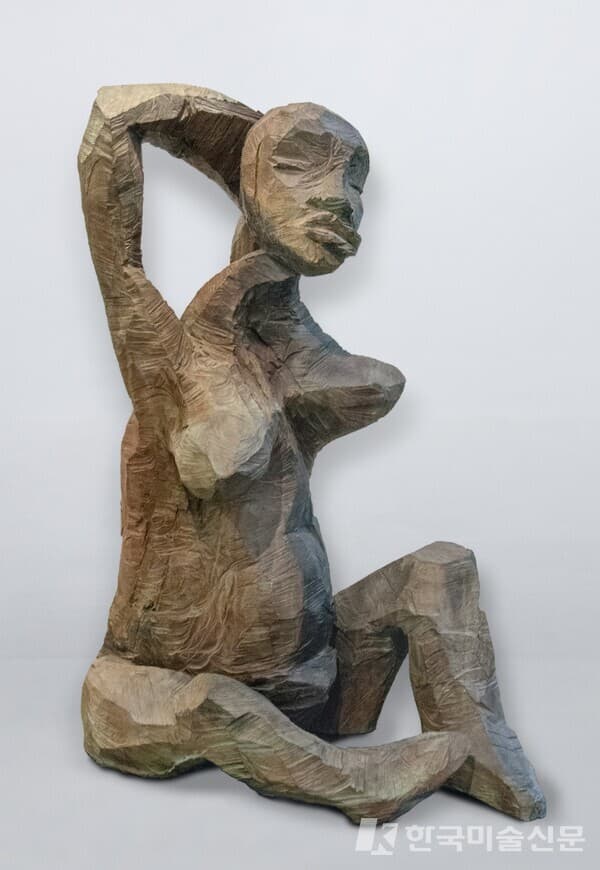
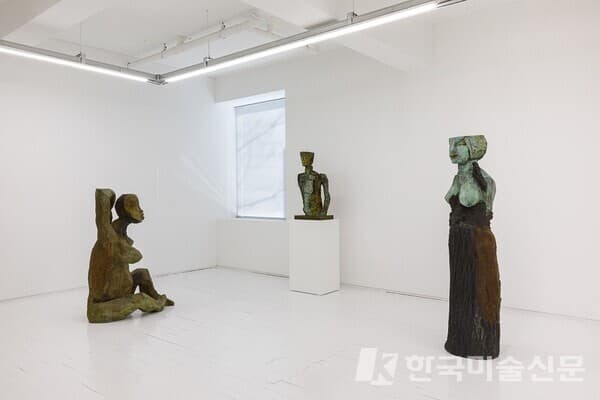
In his work, the artist Dietrich Klinge (*1954, Heiligenstadt, Germany) strives to visualize the diversity of human beings and their bodies. The artist creates the original form of his sculptures from natural wood fragments. As an artist, he recognizes the potential for figural metamorphosis in these individual parts and combines them with human attributes in his studio. The wooden form cast in bronze retains its special feel when immortalized and thus stands in direct contrast between the transience of the earthly and an idea of eternity. The sculptures shown in the exhibition are characterized in particular by their capacity for dialogue, because despite their figurative and human presence, their archaic expression means that they cannot be assigned to any particular cultural group and thus remain open to interpretation. The sculptures show a kind of universality of the human.
독일 하일리겐슈타트 출신의 예술가 디트리히 클링(*1954년)은 그의 작업을 통해 인간과 그들의 몸의 다양성을 시각화하려고 노력한다. 이 예술가는 자연 목재 조각으로 조각상의 원형을 창조한다. 예술가로서 그는 이 개별 부분에서 인간적 속성을 결합하는 인물 변형의 잠재력을 인식하고 자신의 작업실에서 이를 조합한다. 청동으로 주조된 나무 형태는 불멸화되면서 특별한 느낌을 유지하며, 이는 유한한 지상의 휘발성과 영원의 개념 사이에서 직접적인 대조를 이룬다. 전시에 소개된 조각상들은 특히 대화의 능력으로 특징지어진다. 그것들은 구체적이고 인간적인 존재에도 불구하고 고대적인 표현으로 인해 특정 문화 집단에 할당되지 않으므로 해석에 개방적으로 남아 있다. 이 조각상들은 인간의 일종의 보편성을 보여준다.
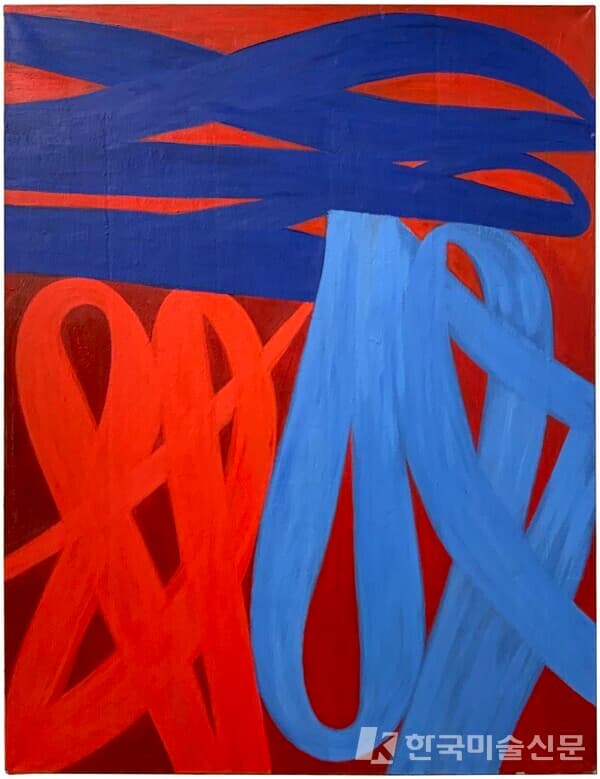
Alain Clément's (*1941, Neuilly-sur-Seine, France) oeuvre is an expression of his deep engagement with the artistic heritage of history and the combination with a contemporary realization. Alongside his study of the pictorial tradition of painting, particularly in France, Clément explores the theoretical question of flatness and spatial perspective. The artist applies the paint in a completely two-dimensional manner, thus eluding the classical perspective approach of painting. Despite a flat application of color and without obvious techniques of plasticity, he creates depth and space.
알랭 클레망(*1941년, 뇌이-쉬르-세느, 프랑스)의 작품은 역사의 예술 유산에 대한 그의 깊은 참여와 현대적 실현과의 결합을 표현한다. 작가는 프랑스의 그림 전통에 대한 연구와 함께, 평면성과 공간적 관점에 대한 이론적 질문을 탐구한다. 클레망 예술가는 완전히 이차원적인 방식으로 페인트를 적용하여, 고전적인 회화의 관점 접근을 회피한다. 평면적인 색상 적용과 분명한 입체 기법 없이도 그는 깊이와 공간을 창조한다.
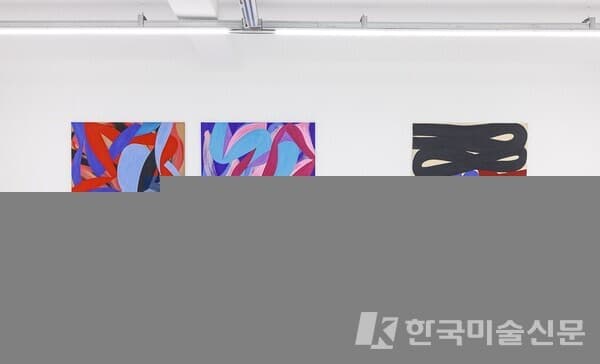
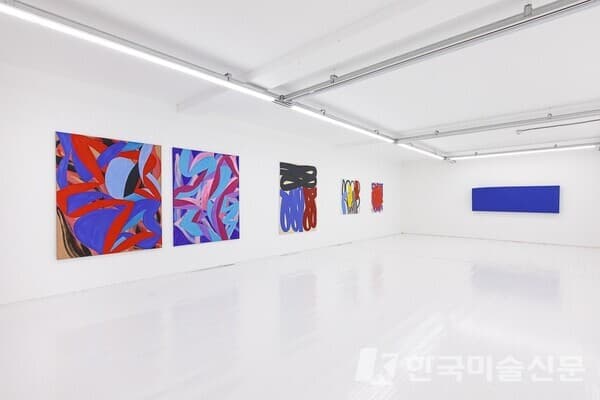
By superimposing the surfaces, he creates a pictorial space with depth. Despite the initially perceived lack of objects, the artist's motifs seem to linger in figuration and thus appear as human and sensual quotations from our world.
표면을 중첩함으로써, 작가는 깊이가 있는 회화 공간을 창조한다. 처음에 물체의 부재가 느껴지더라도, 예술가의 모티브들은 형상화에 머물러 인간적이고 감각적인 우리 세계의 인용구처럼 보인다.
Both artistic positions show in an impressive, yet completely different way, the connection between the present and the past within contemporary art. Dietrich Klinge depicts the similarity and comprehensiveness of human expression, detached from any cultural suggestion, and visualizes a philosophical equality within humanity. Alain Clément transfers the traditional, art-historical past into a modern context and thus creates new links within contemporary reflection on the past and visualizes a discourse between continuity and reorientation.